

If you own a home in Frisco, Texas, and you are carrying significant debt—credit‑cards, medical bills, mortgage arrears, or other obligations—you may be asking: “Can I sell my house to pay off debt?” The answer is: yes, but the decision requires careful evaluation of your financial position, the local real‑estate market, and your post‑sale living plan. This article explains how it works, what you need to check, the pros and cons, the process step‑by‑step, and how to handle what comes after the sale.
Why Sell Your House to Pay Off Debt?
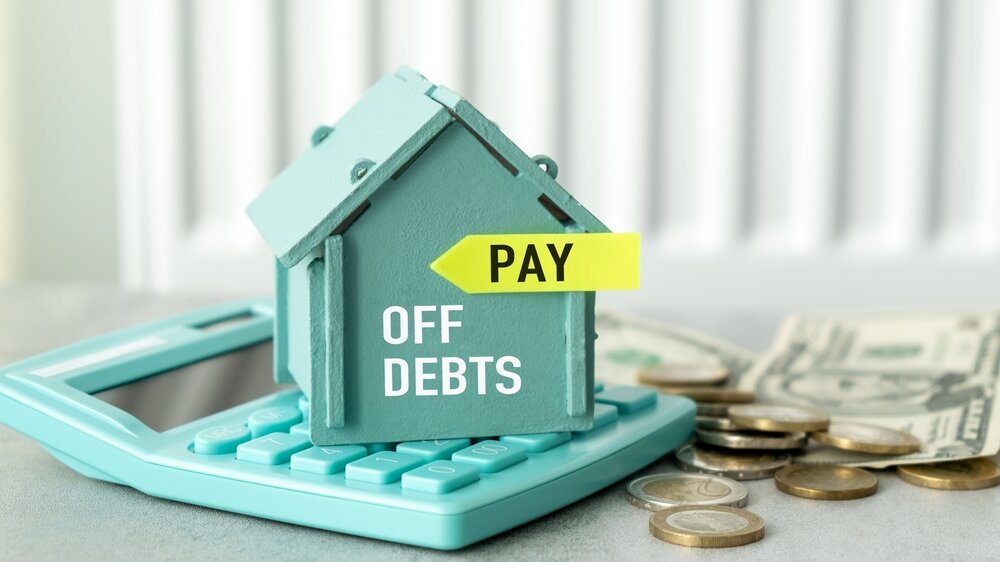
Relieving Financial Burdens
Debt can weigh heavily on your month‑to‑month cash flow and mental well‑being. When you sell your house and apply proceeds toward debt, you may reduce high‑interest payments, free up monthly budget, and reduce stress.
Avoiding Foreclosure or Legal Action
If you are behind on your mortgage, or other liens are coming due, selling might let you avoid foreclosure or judgments. This gives you more control rather than waiting for a lender or creditor to act. Learn more about how to avoid foreclosure with this guide from the Consumer Financial Protection Bureau.
Fast Cash for Debt Relief
In some cases, a rapid sale—particularly if you have good equity or a cash‑buyer route—can generate funds quickly to apply toward debts, rather than being stuck in a long process of payments or being subject to collection actions.
Is It Possible to Sell Your House While in Debt?
Selling a House with Debt: The Basics
Yes, you can sell a house while carrying debt—but you must understand what kinds of debt, how the property is encumbered (mortgage, liens, HOA fees, tax delinquency), and how sale proceeds will be distributed. One key is whether your home has equity (value above what you owe). If it doesn’t, things become more complicated.
What Happens to the Debt When You Sell?
When you complete a home sale, the mortgage balance is typically paid out of the sale proceeds. If there are other debts secured by the home (such as second mortgages, liens, unpaid taxes), they must also be addressed. Any remaining net proceeds can then be used for other debts. If proceeds are insufficient, you may need to negotiate with creditors. For more information on how short sales work and when they’re applicable, you can check out this Investopedia article on short sales.
Understanding the Seller’s Responsibility
As a seller, you must ensure the title is clear, disclosures are made, any due property taxes or HOA fees are paid or settled, and you agree on how the sale proceeds are distributed. If multiple encumbrances exist, the transaction may require more paperwork and negotiation with lenders. For more information on the required Seller’s Disclosure Notice in Texas, visit the Texas Real Estate Commission’s official form.
Steps to Selling Your House in Frisco, TX to Pay Off Debt
Step 1: Assess Your Debt Situation
- List all your debts (credit card balances, personal loans, medical bills, mortgage arrears, property tax liens, HOA dues).
- Note interest rates, minimum payments, due dates, secured versus unsecured status.
- Determine your goal: Do you want to fully eliminate debt, reduce it significantly, or eliminate certain high‑interest portions?
- Consider alternatives (debt consolidation, settlement, refinancing) to selling the home.
Step 2: Determine the Market Value of Your Home
- Use online tools to get an approximate current market value for homes in Frisco, TX (comparable sales, local agents).
- Get a professional appraisal or at least a comparative market analysis.
- Subtract what you owe on the mortgage + estimated closing/selling costs to determine your net equity (sale price minus costs minus debts secured by the home).
- If net equity is negative (you owe more than the home value) — you may need to explore a short sale.
Step 3: Consider Your Selling Options
- Traditional Sale: List the home on the open market, work with a real estate agent, take offers, wait for the buyer, complete buyer inspections/negotiations.
- Pros: Potentially higher price.
- Cons: Longer time, more effort, possibly repairs/updates, more risk of carry cost.
- Cash Sale / As‑Is Sale: Sell the home quickly for cash or with minimal contingencies.
- Pros: Faster closing, fewer repairs, fewer buyer contingencies.
- Cons: Likely lower sale price than an ideal traditional sale.
Step 4: Review Offers and Calculate Net Proceeds
- When offers come in, estimate your net proceeds = Offer price minus closing costs, agent commission (if any), payoff of mortgage and liens, any seller concessions.
- Use a table to compare:
| Offer Type | Sale Price | Estimated Costs | Net to You | How Much Goes to Debt |
|---|---|---|---|---|
| Traditional Buyer Offer | $___ | $___ | $___ | $___ |
| Cash‑Buyer As‑Is | $___ | $___ | $___ | $___ |
- Decide if net proceeds cover your targeted debt payoff; if not, you may reconsider or choose partial payoff.
Step 5: Closing the Sale
- Once you accept an offer, proceed through contract, inspections (if any), appraisal (if required by buyer), title work, escrow, and closing paperwork.
- At closing: mortgage lien is satisfied, any other secured liens paid, you receive any remaining net proceeds. Some of those proceeds should directly go to debt elimination plan.
- Make sure you have arranged your next living situation (rent or purchase) ahead of time.
Step 6: After the Sale – Applying the Proceeds
- From the net proceeds, allocate payments to:
- Primary mortgage payoff
- Secondary liens or property‑related debts (tax, HOA)
- High‑interest unsecured debts (credit cards, personal loans)
- Consider consulting a financial advisor or credit counselor about how best to apply remaining funds and reposition your finances.
- Establish a post‑sale budget and plan for future housing costs.
Pros and Cons of Selling Your House to Pay Off Debt
Pros
- Immediate debt relief: You may wipe out large debts and significantly reduce your interest burden.
- Lower monthly housing cost: If you move to a smaller home or rental, your monthly payment and maintenance may drop, freeing up cash flow.
- Reduced financial stress: A big step toward a fresh financial start.
Cons
- Loss of home equity and future appreciation: Once you sell, you give up potential future growth in home value and control over your housing.
- Selling/closing costs: Real‑estate commissions, repairs, staging, moving costs can reduce net proceeds significantly.
- Emotional impact and relocation disruption: Leaving a home can be stressful, especially if you’ve been there a long time.
- Potential tax implications: Depending on your gain and how you use proceeds, there could be tax considerations.
- Selling may not “solve everything”: If your underlying spending patterns or budget issues remain, you could face debt again even after selling.
Can You Sell Your Home if You Still Have a Mortgage?
Mortgage Payoff Process
Yes — when you sell the home, the mortgage lender must be paid off at closing. The payoff amount (balance + interest + fees until the date of payoff) is used to satisfy the loan.
What If Your Home Is Worth Less Than the Mortgage?
If your home is underwater (you owe more than it’s worth), a regular sale may not generate enough to satisfy the mortgage. That scenario may require a short sale, where you sell for less than you owe and seek lender approval.
In a short sale, your lender must approve the sale and may forgive the difference (or may attempt to collect a “deficiency”).
Important: A short sale can take longer, may impact credit more than a regular sale, and requires significant paperwork.
Tips for Selling Your Home Fast to Pay Off Debt
- Declutter and Clean Your Home: Even if selling as‑is, a clean and presentable home helps get offers faster.
- Set a Realistic Price: Work with local agents or online tools to price competitively but correctly — over‑pricing delays sale, under‑pricing reduces your net.
- Highlight the “Sell Quickly” Advantage: If you’re targeting buyers who can close fast (cash buyers), emphasise the benefit of a quick closing and minimal contingencies.
- Minimize Repair Demands: If you choose to sell “as‑is”, be upfront about condition, set realistic expectations, and factor expected offers into your debt‑payoff calculations.
- Prepare Your Moving/Next‑Housing Plan: Ensure you have secured next housing before you close; avoid scrambling and incurring emergency costs.
- Work with Professionals: A real estate agent experienced in quick or cash sales, a title company, and possibly a financial advisor can make the process smoother.
- Keep Clear Records: Document the sale, payoff of debts, and how you allocate proceeds — helpful for tax and future planning.
What to Expect After the Sale: How to Handle Remaining Debt
Debt Settlement Post‑Sale
Once your sale closes and you have your net proceeds, you’ll want to apply them strategically:
- First pay off secured debts (mortgage, tax liens) so you clear major encumbrances.
- Next pay high‑interest unsecured debts (credit cards, personal loans) to reduce interest burn.
- If you still have leftover funds, consider setting aside an emergency savings fund to prevent future debt cycles.
Improving Your Credit After Selling
- As you pay down debt, your debt‑to‑income ratio improves, and so may your credit score.
- Avoid accumulating new high‑interest debt — set a budget aligned with your incoming housing costs and expenses.
- If you relocated to rental housing, ensure you make timely rent payments as these may influence credit in some cases.
- Consider meeting with a certified credit‑counseling service to rebuild and plan financially for the next stage.
Frequently Asked Questions (FAQs)
Q1: Can I sell my house in Frisco, TX if I owe more than it’s worth?
Yes—through a short sale. But you’ll need lender approval, the process may take longer, and you may still owe a deficiency unless the lender agrees to forgive it.
Q2: How long does it take to sell my house and pay off debt?
For a normal sale: typically 30‑60 days from accepted offer to closing (assuming financing and inspections go smoothly). For a short sale: may take 3‑6 months or more due to lender approval.
Q3: Are there tax implications when selling my home to pay off debt?
Yes — if you realize a gain on the home sale above your allowed exclusion (for single or married taxpayers), you may owe capital‑gains tax. Also, forgiven debt (in some cases) may be considered taxable income under “income from cancellation of debt.” Consider consulting a tax professional.
Q4: Does selling my house hurt my credit?
Selling by itself does not directly hurt your credit — but if the sale is part of a short sale (less than mortgage owed) or you defaulted on payments prior, credit impact may result. The key is to pay off major secured debts and avoid letting any creditors report unsatisfied liens.
Q5: What happens if I don’t have enough equity to cover my debt?
If you don’t have enough equity to cover your debt, a short sale might be an option. However, you’ll need lender approval, and there could be consequences such as a deficiency balance.
Conclusion
Selling your house in Frisco, TX to pay off debt can be a smart and effective solution, especially when facing significant financial pressure. However, it’s essential to evaluate your total debt, home equity, the local housing market, and your living situation post-sale. If done correctly, this can provide a fresh financial start and relieve the stress of mounting debt.
At Gremmax Home Buyers, we understand the complexities of selling a home to pay off debt. Whether you’re facing foreclosure, medical bills, or credit card debt, we offer a streamlined process that helps you sell quickly and move forward with confidence. We guide you through assessing your options, determining home value, choosing the right sale method, and maximizing your proceeds to pay down debt.
If you’re ready to take control of your financial future, reach out to Gremmax Home Buyers today. Let us help you make an informed decision and turn the page on your debt challenges with a hassle-free home sale.